Skip to content
Free written estimatesLocal crews
Call now (813) 555-0196
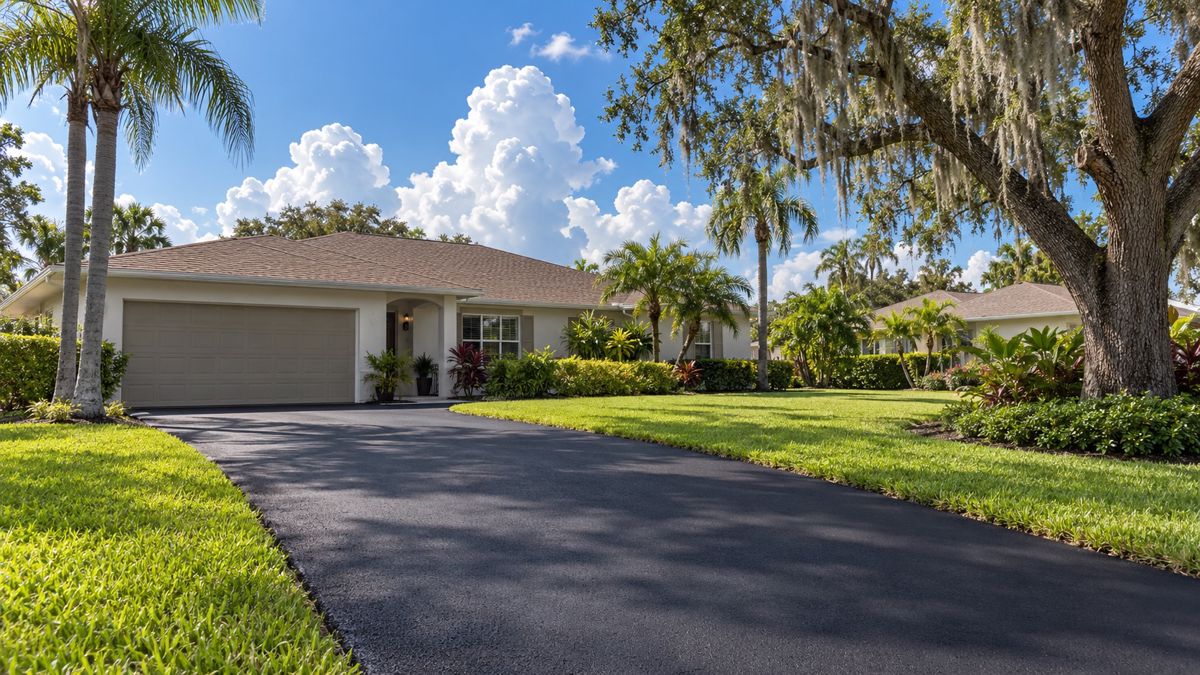
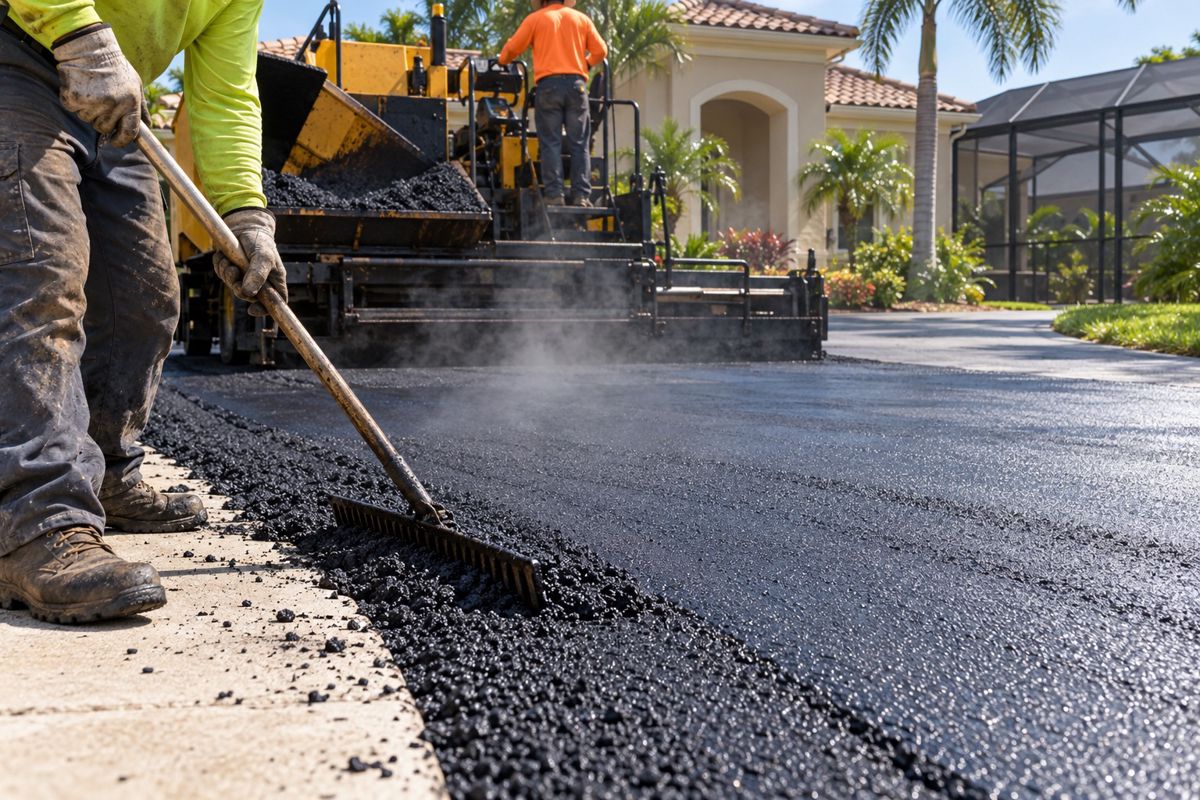
Fresh black asphalt driveway at a Florida stucco house beneath palm trees

Growing suburb with rural edges

Paving contractor in Riverview, FL

Driveways, new commercial lots, sealcoating, striping and repairs around Riverview. Request a quote and we will confirm availability for your property.

  • Driveways, parking lots and patch repair
  • Written quote before any work starts
  • Homes, rentals and commercial properties
  • Free written estimates
  • Local crews
  • Clear timelines
  • Site cleanup included

A growing suburb with a rural edge

Riverview lies southeast of Tampa, south of the Alafia River, and has grown quickly with new subdivisions and shopping centers near US 301, Big Bend Road and I-75. Beyond the developed areas, larger lots and long private drives still exist, and some properties have farm or equestrian use.

That blend gives paving jobs a wide range. A new house on a tidy lot needs a standard driveway, while a rural property may have a long gravel or worn asphalt lane to a barn or a back pasture. New commercial centers need parking, striping and accessible layouts, and older roadside businesses need repairs to lots that have been in service for years.

Floodplain, soft ground and long drives

Land close to the Alafia River and the creeks that feed it can be low and wet. Soils may stay saturated long after storms, and a base laid over wet or poorly drained ground tends to fail from below. On rural property, long drives cross ditches and culverts, and edges can slump where runoff cuts into them.

Newer subdivisions bring their own concerns. Fill dirt placed during construction can settle for years, leaving dips and cracks in driveways. Heavy construction traffic during home building may have damaged the base before the owner ever moved in. When asked to look at a Riverview driveway, we check how the ground beneath the surface has behaved.
How each service fits Riverview

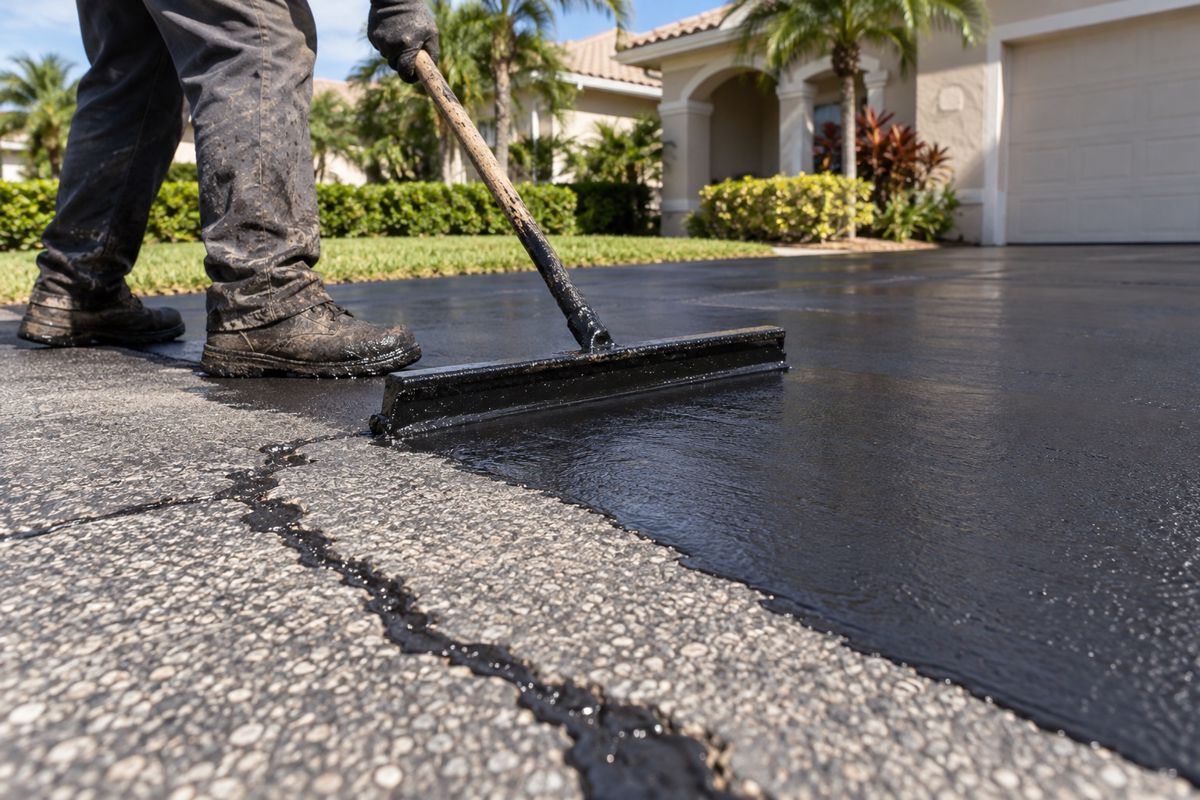
For a new or failing residential drive, asphalt driveway paving is where to start, including longer lanes on larger lots. If a surface is relatively sound but dry and cracked, sealcoating and crack filling can slow the damage.

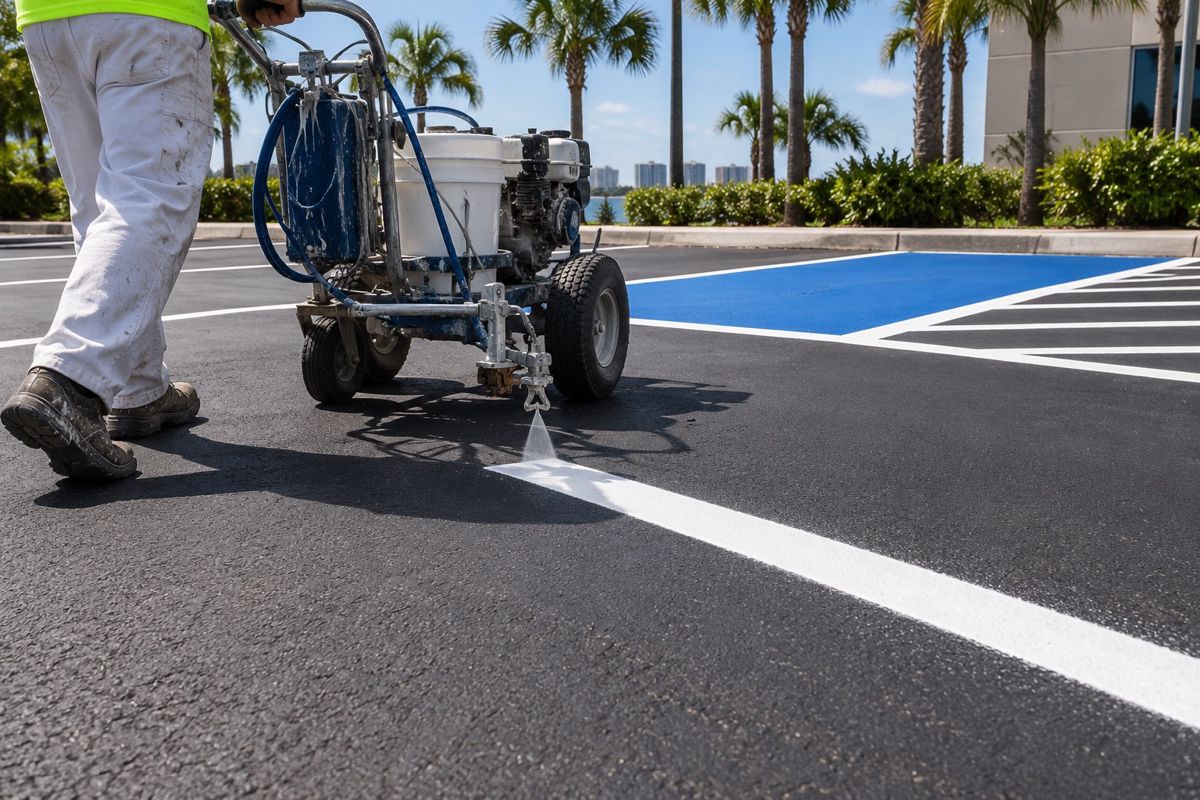
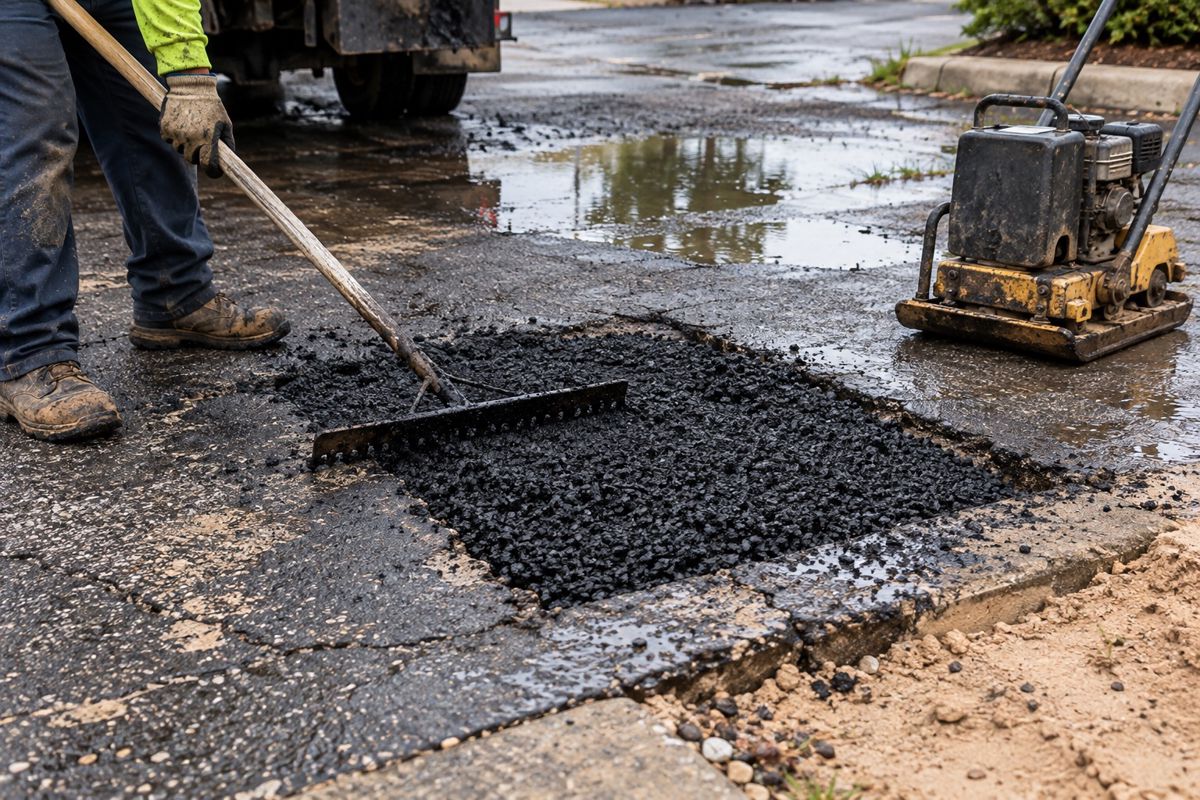
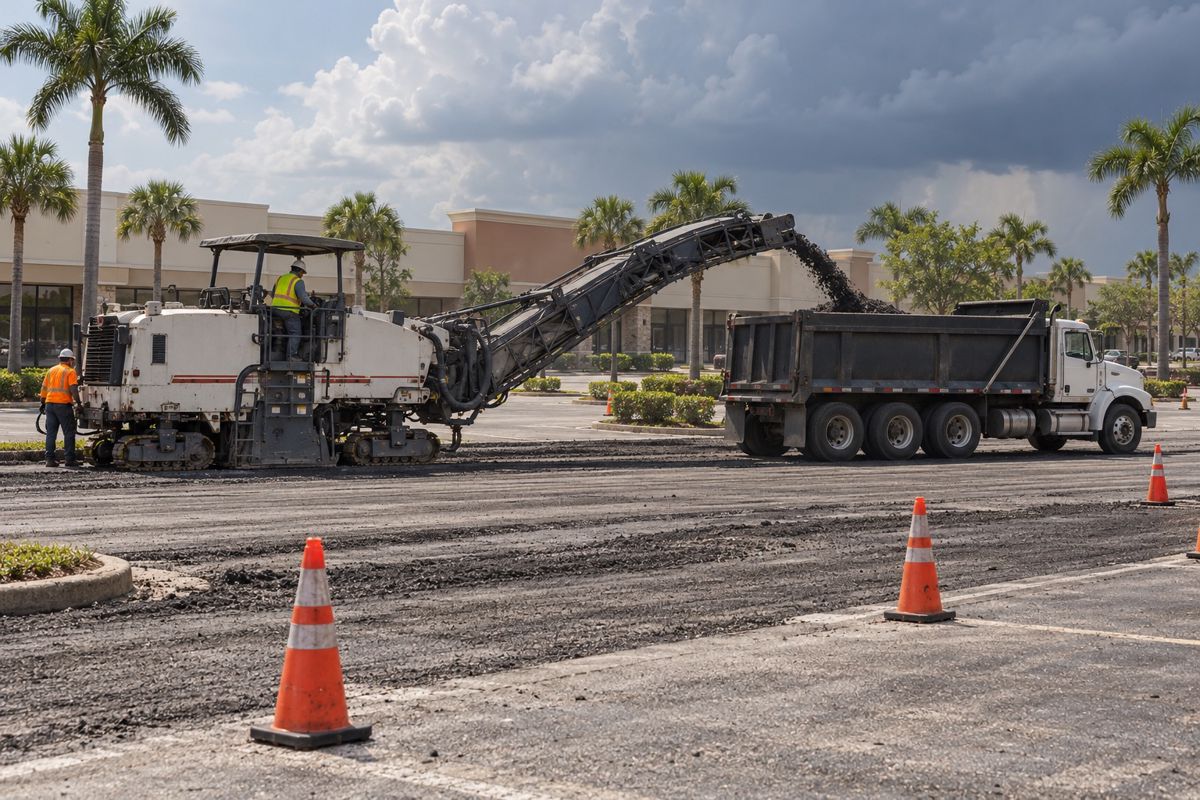
New businesses and aging roadside lots turn to commercial parking lot paving, followed by line striping for stalls and accessible spaces. Dips, edge breaks and washouts, especially on long drives and entrances, are addressed by pothole repair and patching.

Each page gives more detail on what the work involves, and an inspection decides which one applies to you.

Ground conditions come first. Settling fill, wet soil and poor drainage may call for added base material, regrading or a drainage fix before any asphalt goes down. Length is the second factor. A long drive needs a lot of material, and mobilizing equipment to a remote lot can change the schedule.

Culverts and ditches are the third. Driveways that cross them must keep water flowing, and a blocked culvert can undermine the surface within a season or two.

For newer commercial properties, layout and signage details are the main variables. We explain how each of these affects the work in a written quote, so you can compare options without guessing.

Permits, floodplain questions and getting ready

Driveway connections to a public road typically need approval from the county, and driveways that cross ditches or culverts may need specific permits. Properties near the river can fall within mapped flood zones that add review. Ask the county permitting office what applies to your parcel.

New commercial projects involve site plans, stormwater review and accessible parking requirements. Association rules in newer communities can also limit driveway changes. We can supply a written description of the work for your applications. Clear the area of vehicles and loose items before the crew arrives, and tell us about buried lines or irrigation.

Quote steps for Riverview customers

  1. Fill in the form or call (813) 555-0196 and describe the property and the work.
  2. Tell us whether it is a house lot, a rural drive or a commercial site.
  3. Send photos, plus a rough length for any long drive.
  4. We confirm that we can serve your address and set a time to visit.
  5. A written quote follows, listing what will be done and any ground work.

We serve Riverview but do not claim a shop there, so the request confirms availability. For other ways to get in touch, see the contact page.

Get a quote in Riverview

Tell us what you need and we call you back.

Step 1 of 3

What do you need?

No obligation.

Questions about Riverview

Why did my new-build driveway settle and crack?

Fill soil used in construction can compact for years, and heavy equipment during building may have stressed the base. When the ground moves, asphalt follows and cracks. Filling and sealing can help, but significant dips may need patching or a new section. We check how deep the movement goes before suggesting a fix.

Can a long rural driveway be paved in stages?

Yes. Many owners pave the section near the house first and extend later. Stages need clean joints and the right drainage at each break, so the first section does not trap water against the second. We plan the sequence so the finished drive works as one, and explain which parts get the most wear and deserve priority.

How do ditches and culverts affect a new driveway?

They control where water goes. A crossing must keep the channel open so flow is not blocked, and the pavement edge must be supported so it does not slump. Counties often have rules on culvert size and location. Check with the county before installing, and we will describe the planned work for your application.

What if my driveway floods after storms?

Look at where the water comes from and where it can leave. Regrading, a swale or a relief pipe may help, and the base may need extra depth. Sometimes the answer is raising the surface slightly. We assess on site and give you honest feedback, since pavement alone cannot fix a drainage problem, and a fix that ignores the water rarely lasts.

Do new commercial lots need anything special?

They need a properly compacted base, drainage that meets stormwater rules and a striping layout with accessible spaces, aisles and signage that follow the requirements. Review by the county may be part of the process. We help by laying out the work clearly, though responsibility for compliance stays with the owner.